How to Choose Red Light Therapy Devices for Your Wellness Routine
Olivia Hart
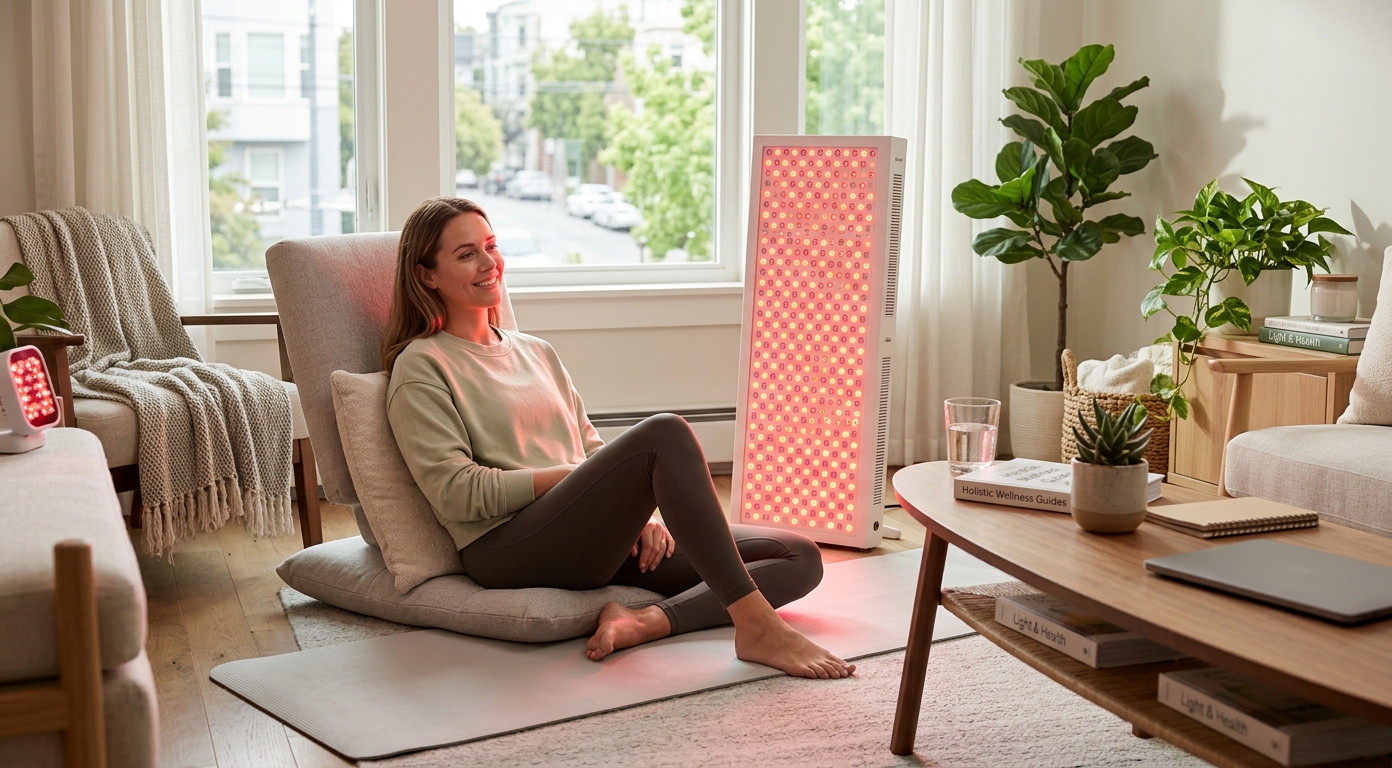
Learn how to choose red light therapy devices for your wellness routine. Compare wavelengths, treatment coverage, safety guidelines, and device specifications to find an option that suits your needs.
Do you struggle with muscle soreness, occasional stiffness, or a wellness routine that feels difficult to maintain? Many people seek convenient ways to support recovery and overall well-being without adding complicated steps. Fortunately, Mito Red Light offers options for people exploring red light therapy devices and at-home light therapy. However, choosing suitable equipment requires understanding your goals, available space, and daily habits. With careful research, you can make informed decisions and build a routine that complements your lifestyle.
Common Challenges With At-Home Light Therapy
Choosing Between Different Devices
The growing selection of red light therapy devices can make shopping confusing. Some models feature compact designs, while others offer broader treatment areas. Without understanding these differences, buyers may select equipment that fails to meet their needs. For example, a small device may suit targeted areas, but larger regions may require additional time. Conversely, oversized equipment may prove impractical in smaller homes. Therefore, consider your intended use before comparing different models.
Finding Time for Consistent Use
Busy schedules often make wellness habits difficult to maintain. Complicated setups, uncomfortable positioning, and inconvenient storage can discourage regular use. Additionally, unrealistic expectations may cause frustration when results take time. Light therapy outcomes vary depending on the application, device specifications, and individual circumstances. Consequently, follow appropriate instructions instead of increasing exposure unnecessarily.
What Affects Your Light Therapy Experience?
Understanding Red and Near-Infrared Light
Red light therapy uses specific wavelengths of visible red light. Meanwhile, near-infrared light therapy uses longer wavelengths that interact with tissue differently. Researchers continue investigating how these wavelengths influence cellular processes and support specific health applications. However, red and near-infrared light do not produce identical effects across every application. Their effects depend on wavelength, irradiance, exposure duration, and the condition being addressed. Furthermore, scientific evidence varies across applications. Some uses show promising findings, while others require stronger clinical evidence. Understanding these differences helps you avoid exaggerated marketing claims and make realistic decisions.
Why Device Specifications Matter
Different devices deliver varying output levels and treatment coverage. Wavelength specifications, irradiance measurements, treatment distance, and safety instructions influence how you should use each product. Therefore, avoid choosing equipment based solely on appearance or price. Instead, examine technical specifications and review the manufacturer's instructions. Reliable product documentation helps you compare options and establish an appropriate routine.
Practical Ways to Choose the Right Device
Start With Your Primary Goal
First, identify what you want your device to help address. Your goals might include supporting exercise recovery, exploring certain skin-related applications, or following a healthcare professional's recommendation. Next, research credible evidence supporting red light therapy for your specific purpose. If you have a medical condition, consult a qualified healthcare professional before replacing established treatments with light therapy.
Compare Panels and Compact Devices
Red Light Therapy Panels can offer broader coverage than smaller, targeted devices. Depending on their specifications, these panels may suit people who want to treat larger areas during individual sessions. Conversely, compact devices may better accommodate localized applications and limited living spaces. Before deciding, compare treatment areas, setup requirements, mounting options, and recommended distances. Additionally, review the manufacturer's instructions for session duration and frequency. Never assume greater power or longer exposure automatically produces better results.
Build a Routine You Can Maintain
Choose a convenient location and establish a realistic schedule based on your device's instructions. Keep your equipment accessible, follow recommended positioning, and record your experiences over time. Moreover, prioritize adequate sleep, balanced nutrition, regular physical activity, and appropriate medical care. Use light therapy to complement healthy habits rather than replace them.
Why Consider Mito Red Light Devices?
When comparing red light therapy devices, explore brands that provide detailed specifications and clear usage guidance. Mito Red Light offers options worth researching for people considering at-home light therapy equipment. Before purchasing, compare its available panels and other devices against your specific requirements. Examine advertised wavelengths, irradiance information, treatment coverage, warranty terms, and customer support. These details provide a more reliable basis for comparison than promotional claims alone. Depending on your goals, Red Light Therapy Panels may offer practical coverage for larger areas. Some models also combine red and near-infrared wavelengths, allowing users to explore both within one setup. However, verify each model's specifications instead of assuming every product offers identical features.
Benefits of Choosing the Right Equipment
Greater Convenience and Flexibility
A suitable device can help you incorporate light therapy into your existing schedule. Depending on your circumstances, at-home equipment may reduce the need to travel to a facility for every session. Additionally, selecting the appropriate size can improve convenience. A compact model may fit comfortably into a smaller room, while a panel may better accommodate broader coverage needs.
More Informed and Realistic Decisions
Understanding product specifications helps you avoid unnecessary spending. Rather than purchasing the most expensive option, choose equipment that matches your goals and available space. Near-infrared light therapy may suit certain applications, but its effectiveness depends on the intended use and supporting evidence. Therefore, evaluate product claims carefully and seek professional advice when appropriate. Most importantly, remember that no device guarantees specific results. Responsible use, realistic expectations, and attention to safety support a more informed wellness experience.
Conclusion: Make a Smarter Choice for Your Wellness Routine
Choosing suitable red light therapy devices starts with understanding your goals and comparing technical specifications. Consider treatment coverage, wavelength information, safety instructions, and long-term value before purchasing equipment. Mito Red Light offers one brand worth exploring as you compare available options. Ultimately, prioritize credible information, consistent habits, and realistic expectations. With careful research, you can select equipment that complements your wellness routine without relying on exaggerated promises.
Comment:
Your email address will not be published. Required fields are marked *
Search
Categories
Related Posts

Oct 16, 2026
How to Choose GroundLuxe Grounding Sheets for Better Sleep
Making the bed a comfortable place to sleep is not just about the mattress and pillows.
Oct 9, 2026
How Grounding Sheets and Mats Support Better Sleep
Discover Grounding Sheets, Grounding Pillowcases, and Grounding Mats from Ground Luxe. Explore product features, bedding comfort, safety considerations, and practical habits for a better sleep routine.

Oct 9, 2026
How AR Smart Glasses Make Everyday Tasks Easier
Discover how AR Smart Glasses simplify daily activities with convenient digital access, hands-free features, and immersive displays. Explore RayNeo wearable technology to find features that match your productivity, entertainment, and everyday needs.