How to Choose Barefoot Shoes for Comfortable Walking
Liam Parker
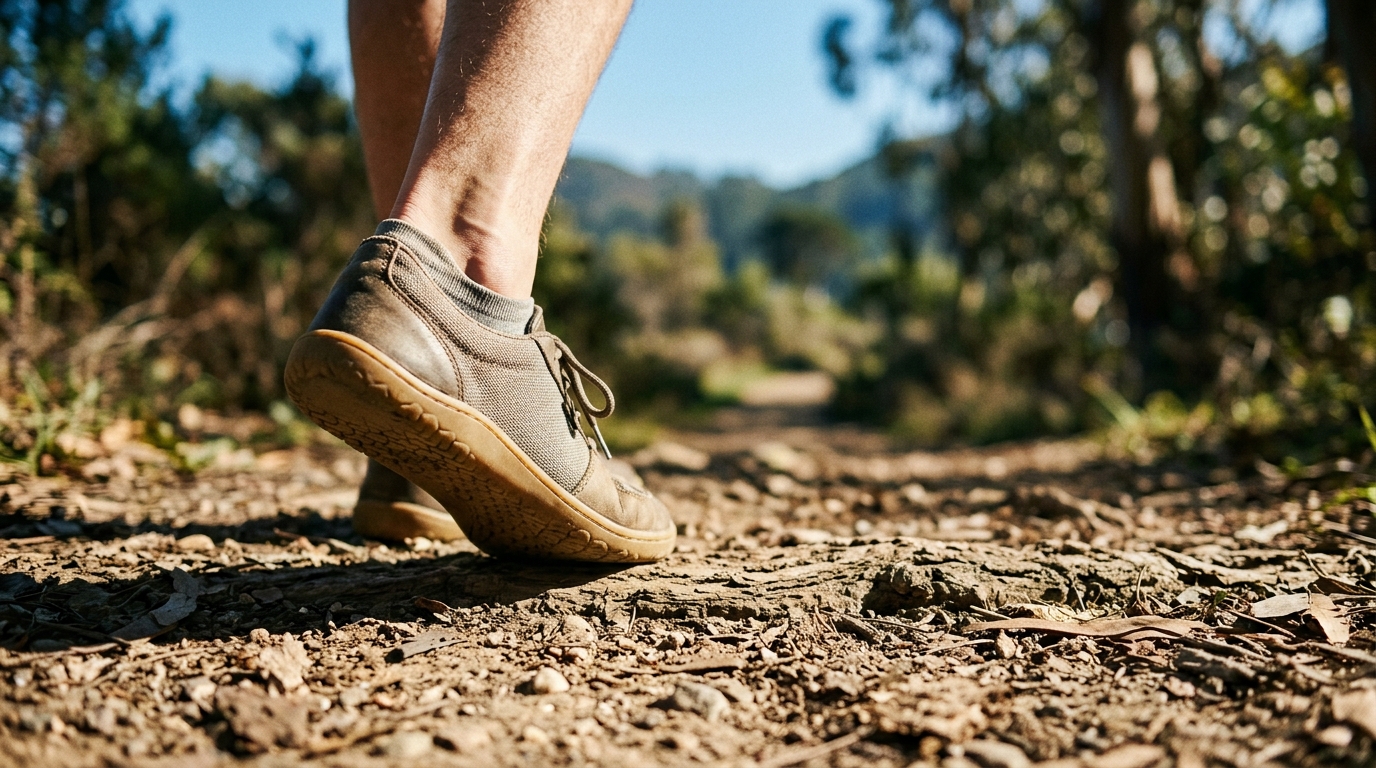
Do your feet ache after a long day of walking, standing, or running errands? Uncomfortable footwear can make everyday activities exhausting and leave your feet feeling tired. Fortunately, the right shoes can improve comfort and support your daily routine. PeakFootwear helps shoppers explore footwear options that prioritize comfort, flexibility, and everyday performance. However, finding the right pair requires understanding your needs, walking habits, and preferred support level.
Why Do Your Feet Feel Uncomfortable While Walking?
Foot discomfort can develop for several reasons, especially when your shoes do not suit your daily activities. Tight toe boxes, stiff soles, and poor-fitting designs can restrict natural movement. Moreover, slippery surfaces can make walking less secure during rainy weather or busy workdays.
Many people experience these common footwear problems:
- Foot fatigue: Standing for extended periods can leave your feet sore and exhausted.
- Restricted movement: Narrow shoes can squeeze your toes and limit their natural spreading.
- Slippery soles: Inadequate traction can increase slipping risks on smooth or wet surfaces.
- Poor fit: Shoes that rub or pinch can cause blisters and uncomfortable pressure points.
- Limited flexibility: Stiff footwear can make ordinary walking feel less comfortable.
Therefore, choose shoes that offer a suitable fit, flexibility, and traction to address these everyday challenges.
What Causes Discomfort in Everyday Footwear?
Understanding the causes of discomfort makes choosing better shoes much easier. First, some manufacturers prioritize appearance over practical walking needs. Although fashionable designs look appealing, they may lack sufficient toe space or flexibility.
Second, shoe sizing varies between brands and styles. Consequently, your usual size may not fit every pair comfortably. You should also consider your foot width, arch shape, and everyday sock thickness.
Furthermore, different environments require different footwear features. For example, restaurant workers may need reliable traction, while commuters often prefer lightweight construction and lasting comfort.
Your walking habits also influence your footwear needs. Shoes designed for occasional outings might not suit long shifts or daily walks. Recognizing these differences helps you choose footwear that better matches your lifestyle.
How Can Barefoot Shoes Support Natural Movement?
Barefoot Shoes generally emphasize flexibility, roomy toe boxes, and a closer-to-ground walking experience. Depending on their construction, these shoes may allow your toes to spread more naturally during movement.
Consequently, these features can appeal to people who prefer less restrictive footwear. However, barefoot-style shoes typically offer less cushioning and structural support than conventional walking shoes.
Before choosing a pair, consider these practical tips:
- Check the toe box: Ensure your toes have enough room to spread comfortably.
- Evaluate flexibility: Choose soles that bend naturally and suit your intended activities.
- Consider ground feel: Select a sole thickness that matches your comfort and experience.
- Transition gradually: Start with short walks instead of wearing minimalist shoes all day.
- Monitor your feet: Reduce wear if persistent soreness or unusual discomfort develops.
However, Barefoot Shoes may not suit everyone or every activity. If you have existing foot conditions, consult a qualified healthcare professional before making significant footwear changes.
When Should You Choose Non-Slip Shoes?
Slippery floors can make ordinary walking uncomfortable and potentially hazardous. For example, kitchens, workplaces, shopping centers, and outdoor pathways may expose your shoes to water, grease, dust, or polished surfaces.
In these situations, Non-Slip Shoes can offer a practical advantage. Their outsoles use tread patterns and rubber compounds designed to improve traction on particular surfaces.
Nevertheless, no shoe guarantees complete protection against slipping. Actual performance depends on the outsole, surface conditions, contamination, and shoe maintenance.
When comparing Non-Slip Shoes, prioritize these essential features:
- Traction-focused outsoles: Choose tread patterns suited to your working environment.
- Secure fit: Proper sizing helps prevent your feet from sliding inside your shoes.
- Durable construction: Select materials that withstand your typical daily activities.
- Easy maintenance: Clean outsoles regularly because accumulated dirt can affect traction.
- Workplace suitability: Check whether your shoes meet your employer's safety requirements.
For demanding workplaces, select footwear tested for your specific hazards. Rather than relying on marketing descriptions alone, verify its suitability for your working conditions.
How to Find Comfortable Walking Shoes for Daily Use
The best everyday shoes balance fit, stability, cushioning, and flexibility according to your needs. Instead of choosing footwear solely for its appearance, evaluate how it feels during realistic walking conditions.
First, measure both feet and try shoes later in the day when your feet may feel slightly larger. Leave enough room around your longest toe while ensuring the heel stays secure without rubbing.
Next, walk around the store or your home before committing to a pair. Pay attention to pressure points, heel movement, and whether your toes feel cramped.
For daily comfort, prioritize these qualities:
- Appropriate cushioning: Choose cushioning that suits your walking distance and personal preferences.
- Breathable materials: Ventilated uppers can help manage warmth and moisture.
- Supportive construction: Select a support level that suits your feet and activities.
- Practical weight: Lightweight shoes may feel easier to wear throughout busy days.
- Reliable fit: Avoid shoes that require painful breaking-in periods.
Remember, Comfortable Walking Shoes do not need to feel identical for everyone. Instead, choose a pair that matches your foot shape, preferences, walking surfaces, and daily routine.
How PeakFootwear Can Help You Explore Better Footwear
Finding suitable shoes becomes easier when you compare practical features instead of focusing exclusively on style. PeakFootwear offers a starting point for exploring footwear options that may suit different everyday needs.
When reviewing available styles, compare construction, outsole design, fit, and intended use. For natural movement, explore barefoot-inspired designs. Alternatively, prioritize traction-focused footwear when working on slippery surfaces.
For longer walks, consider Comfortable Walking Shoes that match your cushioning and stability preferences. Before purchasing, ask yourself these important questions:
- Will you wear these shoes for work, exercise, or everyday errands?
- Do you need extra traction for specific walking surfaces?
- Do you prefer flexible soles or more substantial cushioning?
- Does the shoe provide enough space for your toes?
- Can you comfortably wear the shoes for your usual walking duration?
By answering these questions, you can narrow your options and avoid purchasing footwear that fails to meet your needs.
What Are the Benefits of Upgrading Your Footwear?
Replacing unsuitable shoes with a better-fitting pair can make everyday activities more enjoyable. Although new footwear cannot guarantee pain relief, an appropriate design may reduce avoidable discomfort caused by poor fit or unsuitable construction.
Here are several potential benefits:
- Greater everyday comfort: Appropriate cushioning and fit can make routine walks more pleasant.
- Improved traction: Suitable Non-Slip Shoes may help reduce slipping risks on compatible surfaces.
- More natural movement: Well-designed Barefoot Shoes can offer greater toe freedom and flexibility.
- Better activity matching: Purpose-specific footwear helps you choose features suited to work or leisure.
- Smarter purchasing decisions: Comparing construction and fit can help prevent unsuitable purchases.
Ultimately, invest in footwear that prioritizes function, comfort, and long-term usability rather than following trends alone.
Conclusion: Make Every Step More Comfortable
Choosing better footwear starts with understanding your feet, activities, and walking environment. Barefoot Shoes may appeal to people seeking flexibility, while Non-Slip Shoes suit situations requiring dependable traction. Meanwhile, Comfortable Walking Shoes can support daily routines when their fit and construction match your needs.
Therefore, compare features, check sizing, and test comfort before making your decision. PeakFootwear can help you explore options while keeping your personal preferences at the center of your search. Choose thoughtfully, transition gradually when necessary, and prioritize footwear that makes every step feel more comfortable and confident.
Comment:
Your email address will not be published. Required fields are marked *
Search
Categories
Related Posts
Oct 16, 2026
How to Choose Exhale Healthy Coffee for Your Daily Routine
When it comes to making a choice about coffee, it is not just about picking a taste that you like.
Oct 13, 2026
How to Choose Kitchen Tools for Easier Everyday Cooking
Discover how the right kitchen knives, premium cookware, and cooking utensils can simplify meal preparation. Explore practical kitchen essentials from Novara to create a more organized and enjoyable cooking experience.
Oct 13, 2026
How to Choose Personalized Jewelry for Meaningful Gifts
Discover how to choose meaningful Personalized Jewelry for birthdays, anniversaries, and special occasions. Explore Custom Name Necklaces and Birthstone Bracelets to create thoughtful gifts that celebrate cherished memories, personal connections, and individual style.