How Red Light Therapy May Help With Stress and Mood
Lara Howard
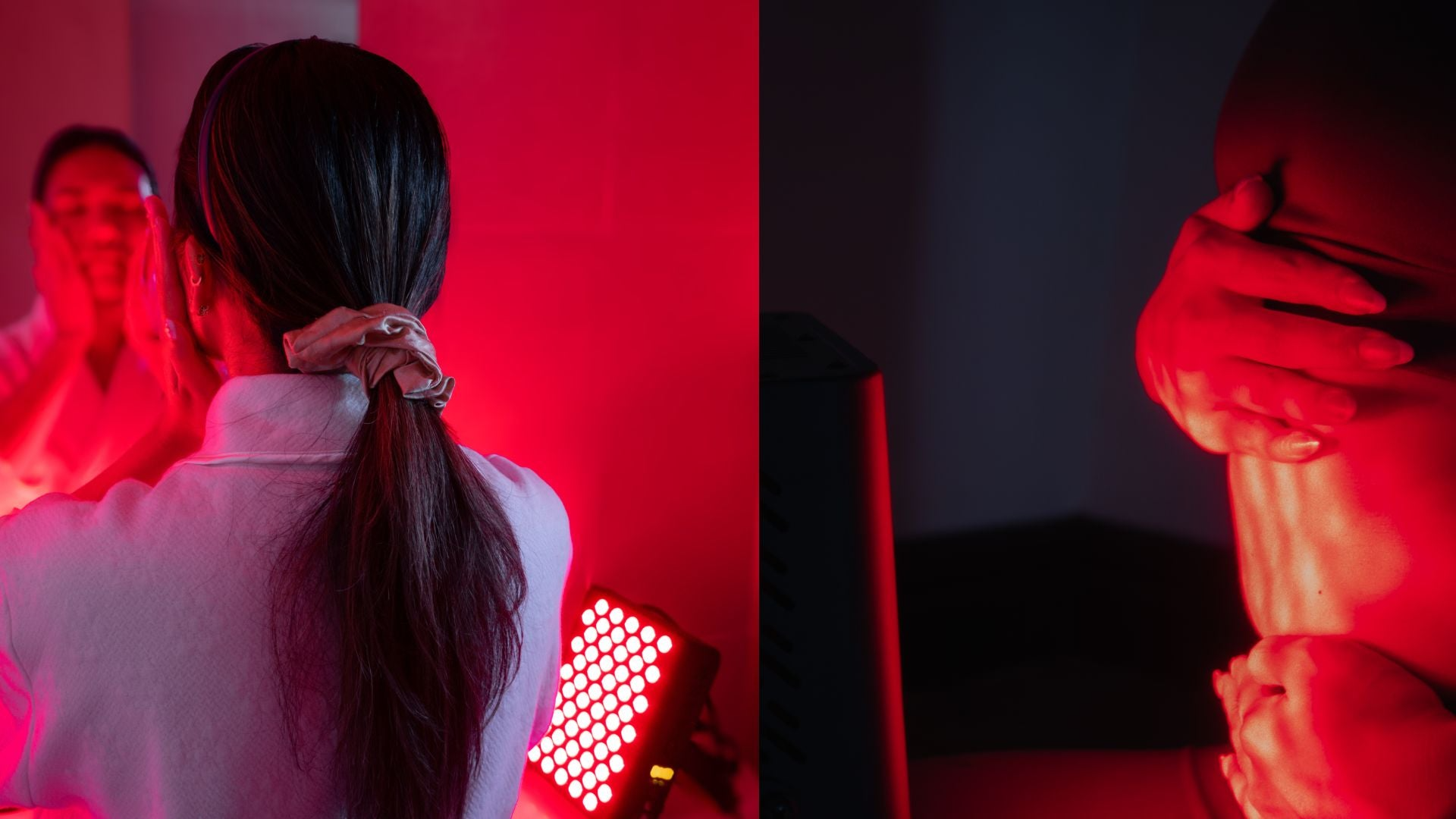
In today’s fast-paced world, stress has become a constant companion for many people.
In today’s fast-paced world, stress has become a constant companion for many people. Long working hours, digital overload, irregular sleep, and limited downtime all contribute to emotional fatigue and mood imbalance. As awareness around mental wellness continues to grow, more individuals are turning toward natural, non-invasive tools that support relaxation and emotional well-being. One approach gaining increasing attention is red light therapy.
While red light therapy is commonly associated with skincare and physical recovery, its potential impact on stress reduction and mood support is now being explored from a broader wellness perspective. By encouraging cellular efficiency and relaxation responses in the body, red light therapy may offer gentle support for those seeking balance in both mind and body.
Understanding Red Light Therapy
Red light therapy uses specific wavelengths of visible red light and near-infrared light to interact with the body at a cellular level. These wavelengths typically fall within the 600 to 900 nanometer range and are known for their ability to penetrate the skin more deeply than standard visible light.
At the cellular level, red and near-infrared light are believed to stimulate photobiomodulation, a process that supports mitochondrial function. Mitochondria are responsible for producing adenosine triphosphate, or ATP, which fuels cellular activity. When cells function efficiently, the body may be better equipped to manage physical strain, recover from stress, and maintain overall balance.
The Connection Between Stress, Mood, and the Body
Stress is not only a mental experience. It affects the entire body. Chronic stress can lead to elevated cortisol levels, muscle tension, disrupted sleep, inflammation, and mental exhaustion. Over time, these physical stress responses may contribute to low mood, irritability, difficulty focusing, and reduced emotional resilience.
Supporting the body’s natural recovery processes is an important aspect of stress management. Practices that encourage relaxation, circulation, and cellular support may indirectly help stabilize mood and promote a greater sense of calm. Red light therapy fits into this category as a complementary wellness practice rather than a standalone solution.
How Red Light Therapy May Support Stress Reduction
One of the ways red light therapy may help with stress is by promoting a calming physiological response. Users often describe red light sessions as soothing, particularly when used in a quiet, low-stimulation setting. This calming experience may help the nervous system shift away from a constant state of alertness toward a more relaxed state associated with rest and recovery.
By supporting circulation and reducing physical tension, red light therapy may also help alleviate some of the bodily discomfort that accompanies stress. When the body feels more at ease, it can positively influence emotional state and mental clarity.
The Role of Red Light Therapy in Sleep and Mood Balance
Sleep quality plays a critical role in emotional well-being. Poor or inconsistent sleep can amplify stress responses and make it more difficult to regulate mood. Red light therapy, especially when used in the evening, may support natural circadian rhythms without the overstimulation caused by blue light exposure from screens.
Better sleep can contribute to improved focus, emotional stability, and resilience during the day. When sleep improves, many people notice that stress feels more manageable and mood becomes more balanced. Red light therapy may help support this process as part of a consistent nighttime routine.
Light Exposure and Neurochemical Balance
Light exposure has long been linked to mood regulation. Certain forms of light therapy have been used to support emotional health, particularly during periods of low energy or reduced sunlight exposure. While research into red light therapy and neurotransmitters is still evolving, early findings suggest that light-based therapies may influence chemicals such as serotonin and dopamine, which are closely tied to feelings of well-being and motivation.
By creating a supportive environment for these neurochemicals, red light therapy may contribute to a more balanced emotional state over time.
The Importance of Ritual and Consistency in Wellness
Beyond its physiological effects, red light therapy can also serve as a mindful ritual. Taking a few minutes each day to pause, rest, and focus on relaxation can help reduce mental clutter and promote emotional grounding. This intentional break from daily demands is often just as valuable as the therapy itself.
Consistency matters when incorporating any wellness tool. Regular, manageable sessions are more likely to support long-term benefits than occasional or inconsistent use.
Featuring the MitoGLOW Red Light Therapy Mask
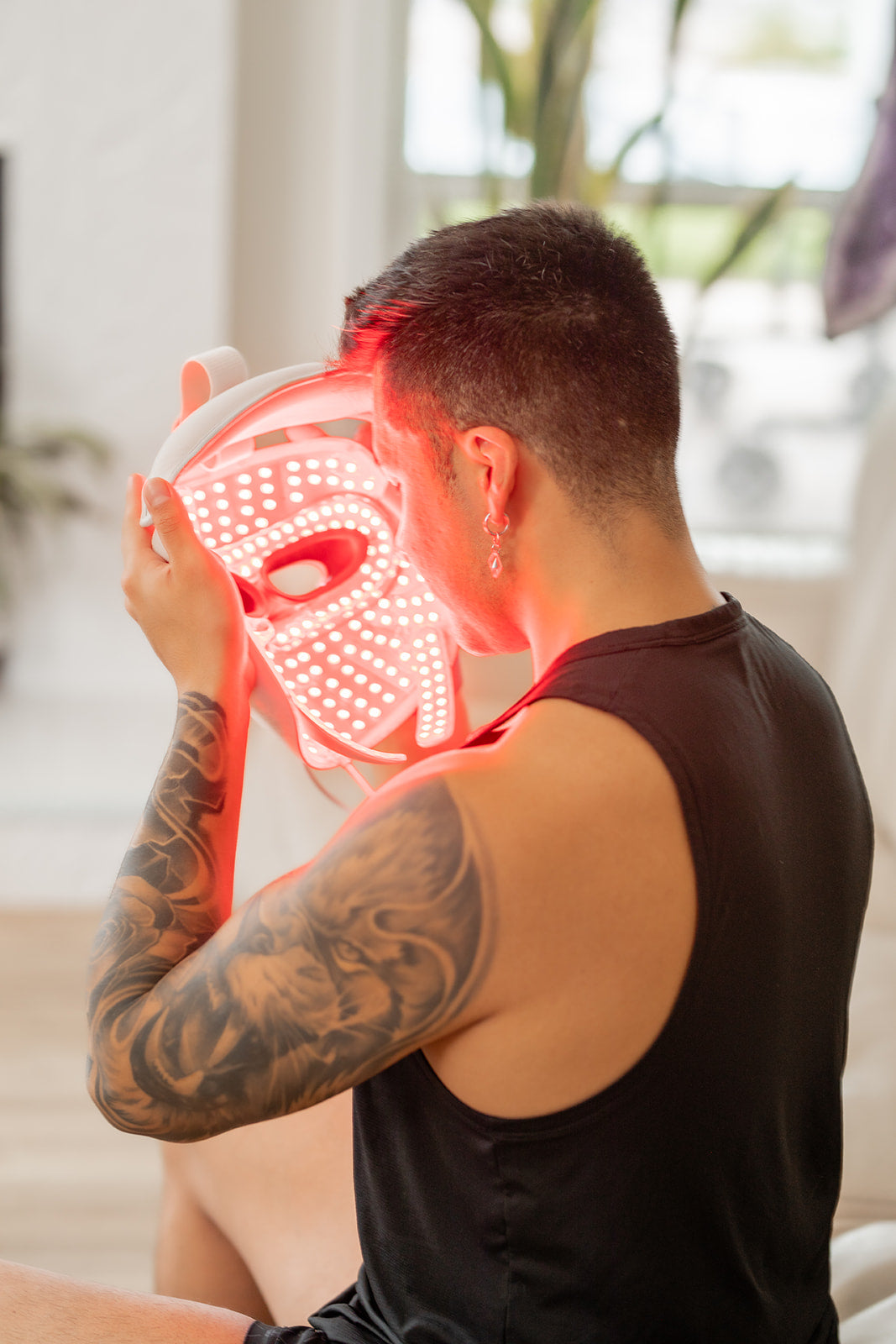
For those interested in incorporating red light therapy into their daily routine, at-home devices offer flexibility and convenience. The MitoGLOW Red Light Therapy Mask with Blue, Yellow, Red, and Near Infrared LED technology is designed to support both wellness and skin health through multi-wavelength light exposure.
Multi-Wavelength Design for Holistic Support
The mask includes red and near-infrared wavelengths, which are commonly associated with deeper tissue support and circulation. These wavelengths align well with wellness goals related to relaxation and physical recovery. The inclusion of yellow or amber light adds a gentle, calming option that many users prefer for evening use, while blue light provides surface-level skin support.
Comfortable and Easy to Use
Designed as a wearable, hands-free device, the MitoGLOW mask allows users to relax fully during sessions. Whether used while lying down, practicing deep breathing, or winding down before sleep, the mask fits naturally into a self-care routine. Short sessions performed several times per week make it easier to maintain consistency without adding stress to daily schedules.
How to Integrate Red Light Therapy Into a Wellness Routine
To support stress and mood balance, red light therapy works best when combined with other healthy habits. Using the mask at a consistent time each day, particularly in the evening, can help reinforce relaxation cues. Pairing sessions with calming activities such as gentle stretching, meditation, or journaling may further enhance the experience.
Hydration, balanced nutrition, regular movement, and mindful screen use also play important roles in emotional well-being. Red light therapy should be viewed as one supportive element within a broader lifestyle approach to wellness.
Managing Expectations and Using Red Light Therapy Responsibly
Red light therapy is not a replacement for professional mental health care or medical treatment. While many individuals report feeling calmer, more rested, or mentally refreshed with regular use, results can vary based on individual circumstances and overall health. It is most effective when used as a complementary wellness tool rather than a cure.
Incorporating moments of rest and recovery into daily life is essential for managing stress and maintaining emotional balance. Red light therapy offers a gentle, non-invasive option that fits seamlessly into modern self-care routines. Devices like the MitoGLOW Red Light Therapy Mask provide an accessible way to explore light-based wellness at home while supporting relaxation and consistency.
When combined with healthy lifestyle choices and mindful habits, red light therapy may help create a foundation for improved mood, reduced stress, and a greater sense of overall well-being over time.
Comment:
Your email address will not be published. Required fields are marked *
Search
Categories
Related Posts
Dec 4, 2024
Natural Skincare Products for Healthy Glowing Skin Every Day
Taking care of your skin goes beyond just basic cleansing and moisturizing. It is about nourishing, protecting, and treating it with natural ingredients that rejuvenate every layer.
Dec 8, 2024
Achieve Radiant Skin with the Power of Vitamin C Serum
When it comes to achieving healthy, glowing skin, incorporating the right products into your skincare routine is essential.
Dec 12, 2024
Achieve Radiant Skin with Luxurious Journey to Beauty
When it comes to skincare, finding the perfect products to transform your routine into a luxurious and effective ritual can feel like a never-ending quest.